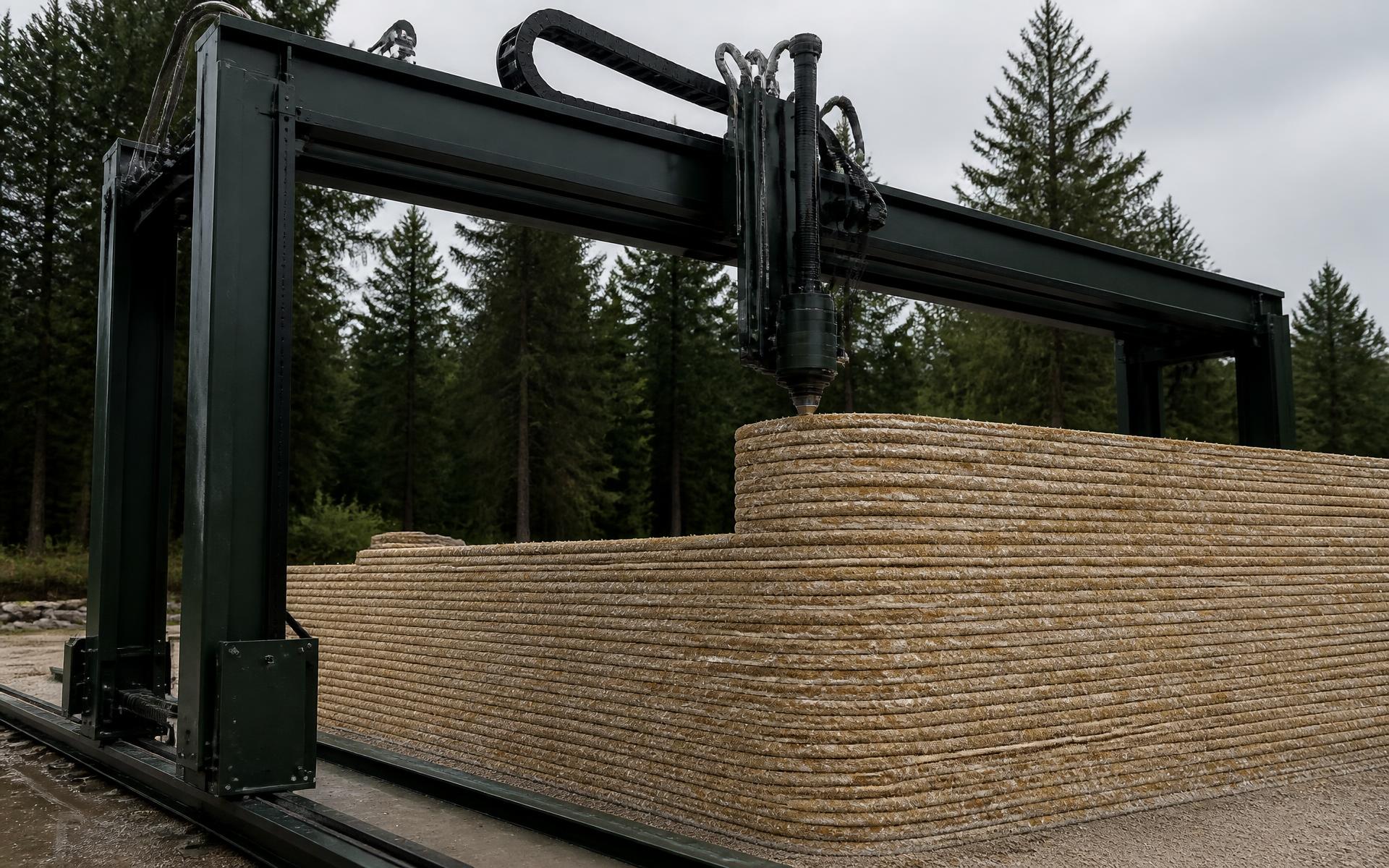
Concept-stage | Materials R&D | Automated construction
Print the next generation of low-carbon walls.
We are developing hemp-based mineral composites engineered for robotic construction — biogenic carbon storage, lower-clinker binders and digital fabrication in a single printable material.
01Hemp
02Low-carbon binder
03Robotic extrusion
04Optimized wall geometry
The problem
Construction has a carbon problem — and a materials problem.
The built environment runs on mineral materials with significant embodied carbon, poured into formwork, trucked to site and often wasted in the process.
Three answers already exist separately: industrial by-products such as fly ash can displace part of the clinker, hemp is a renewable aggregate that stores biogenic carbon, and robotic additive manufacturing removes formwork while enabling material-efficient geometries. None of them has been engineered into one printable system.
High embodied carbon
Material inefficiency
Slow adoption of bio-materials
Our solution
A printable bio-mineral building material.
CircularBuild is developing formulations combining:
- Graded hemp shiv
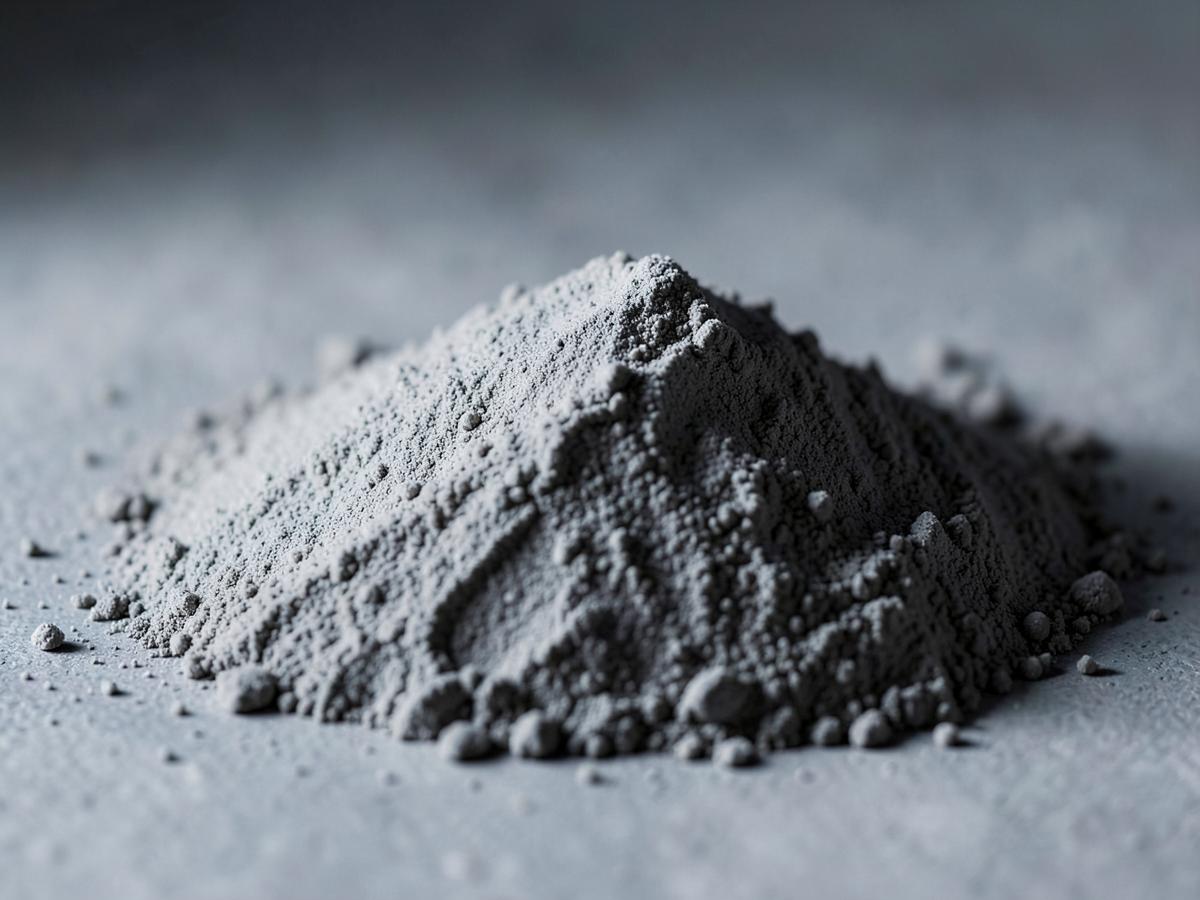
- Lime and/or hydraulic mineral binders
- Processed fly ash and other supplementary cementitious materials
- Rheology modifiers
- Setting-control additives
- Water
The aim is a material that can be pumped, extruded and stacked by large-scale construction printers while retaining the beneficial properties associated with hemp-based wall systems.
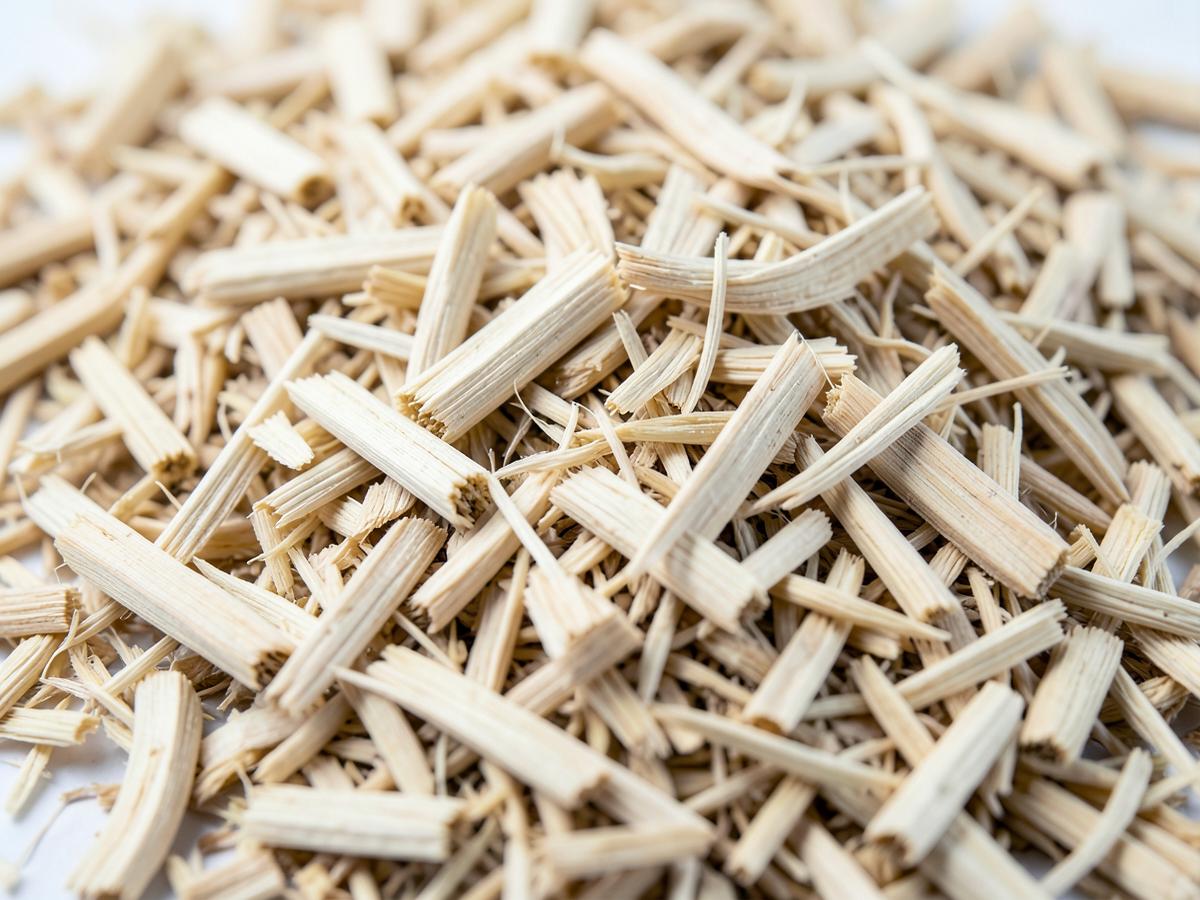
- Hemp shivgraded bio-aggregate+
- Low-carbon mineral binderlime / hydraulic binders + SCMs+
- Rheology & set controladditive package+
- Watermix water
Why 3D printing
Design the wall around performance — not formwork.
Material efficiency
Complex geometry
Integrated services
Reduced formwork
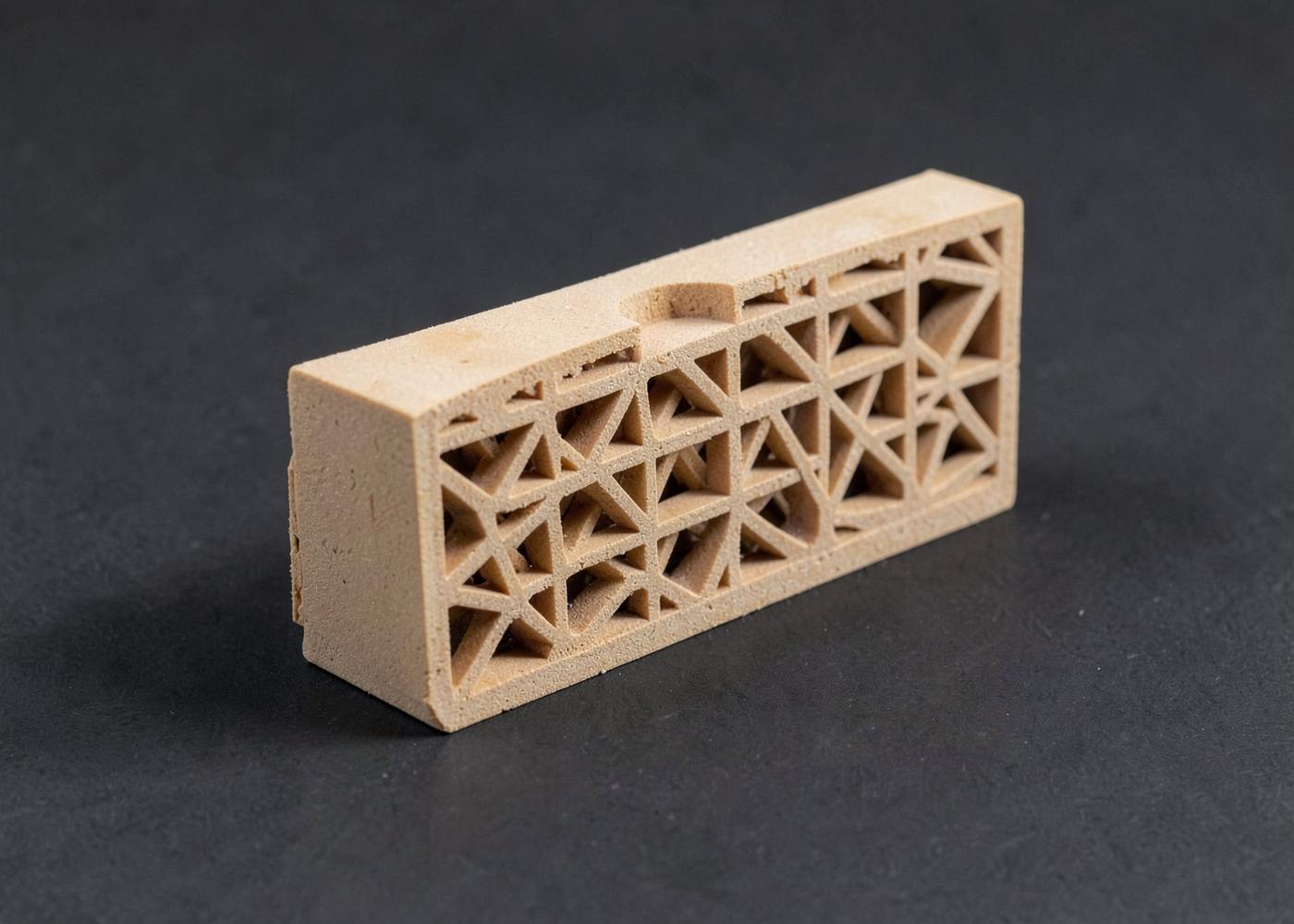
Conceptual wall section
- 01Outer skin
- 02Internal lattice
- 03Insulation cavity
- 04Service channel
- 05Inner layer
Carbon logic
Three pathways to lower embodied carbon.
No single mechanism carries the reduction. The material is designed so that binder chemistry, bio-based aggregate and printed geometry each contribute to the same outcome.
Less clinker
Processed fly ash and other supplementary cementitious materials can replace a portion of conventional clinker-based binder.
Biogenic carbon
Hemp absorbs atmospheric CO₂ while growing, and part of that carbon remains stored in the material during its service life.
Less material
Optimized printed geometries may reduce unnecessary material and eliminate some construction waste.
Why fly ash
Turn an industrial by-product into a lower-carbon binder component.
CircularBuild sees fly ash as one potential component of the binder platform — a mineral stream that already exists and can be recovered, beneficiated and quality-controlled into a supplementary cementitious material.
Used appropriately, fly ash can potentially:
- Reduce clinker demand
- Contribute to pozzolanic reactions
- Improve particle packing
- Lower binder-related embodied carbon
- Create value from existing industrial material streams
From ash stream to printable binder
- 01Power generation / legacy ash
- 02Recovery
- 03Beneficiation
- 04Quality control
- 05Supplementary cementitious material
- 06Printable binder
The technical challenge
The innovation is not simply adding hemp to cement.
A printable hemp-mineral mix has to satisfy ten requirements at once — and most of them pull against each other. Make the mix flow well enough to pump and it slumps under its own weight. Stiffen it for shape retention and the nozzle blocks. Accelerate the set for buildability and the interlayer bond suffers.
Hemp sharpens every one of those trade-offs: it is light, absorbent and irregular. Finding the window where all ten hold simultaneously is the engineering work — and the reason the answer is a system rather than a recipe.
Illustrative requirement map — not measured data
01Pumpability
Move through mixing and pumping systems without blockage.
02Extrudability
Leave the nozzle continuously and consistently.
03Shape retention
Hold the deposited bead geometry without excessive slump.
04Buildability
Support multiple subsequent printed layers.
05Open time
Remain printable long enough for construction operations.
06Interlayer bonding
Create strong interfaces between successive layers.
07Controlled curing
Develop early stability while maintaining long-term performance.
08Thermal performance
Maintain the insulation advantages of lightweight hemp-based materials.
09Moisture management
Preserve vapor permeability and hygrothermal performance where appropriate.
10Fire performance
Meet applicable building safety requirements.
CircularBuild's core IP opportunity
Binder chemistry + hemp grading + additive package + printer parameters + curing protocol + wall geometry
Wall system concept
Print the envelope. Engineer the structure.
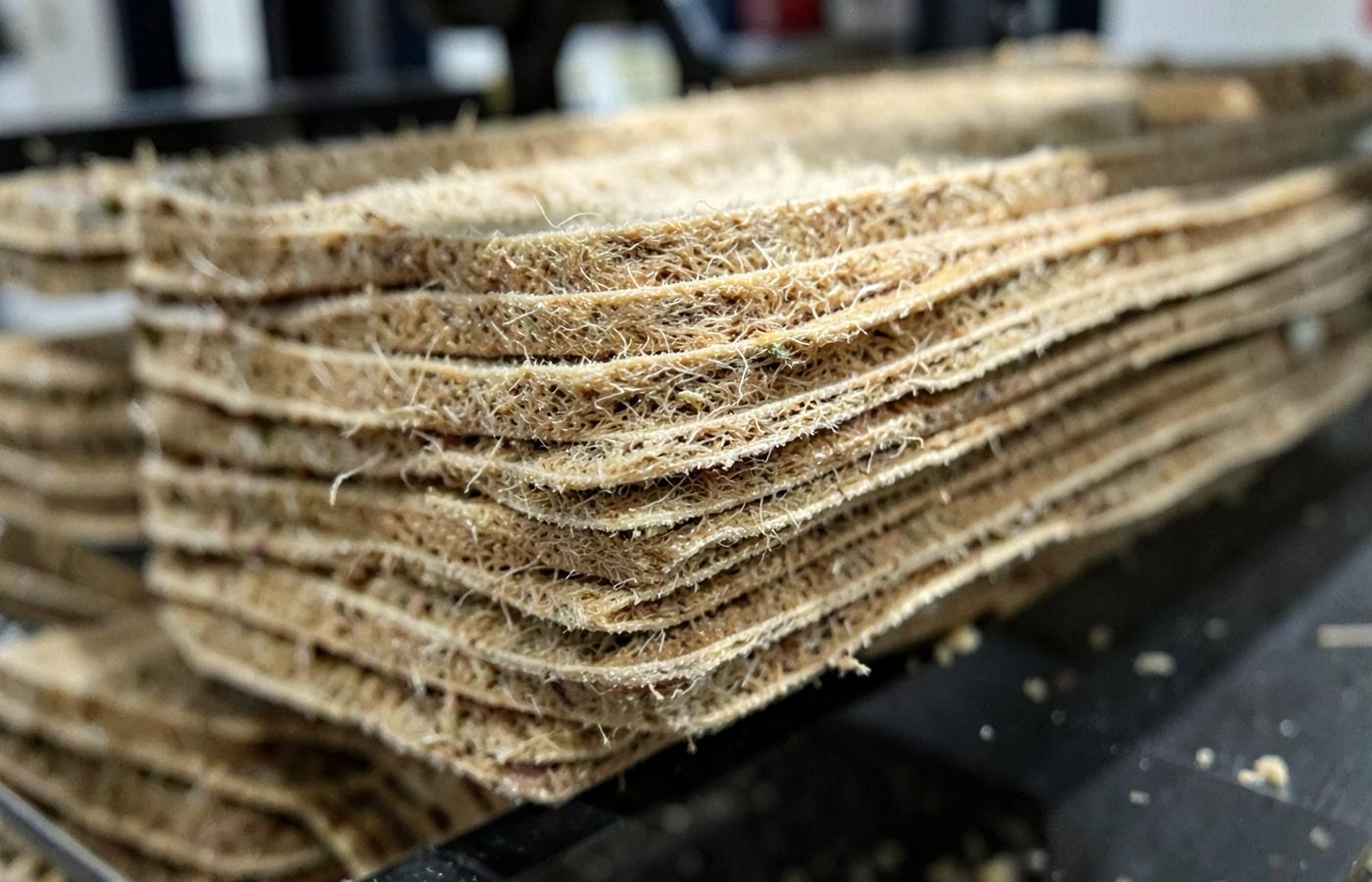
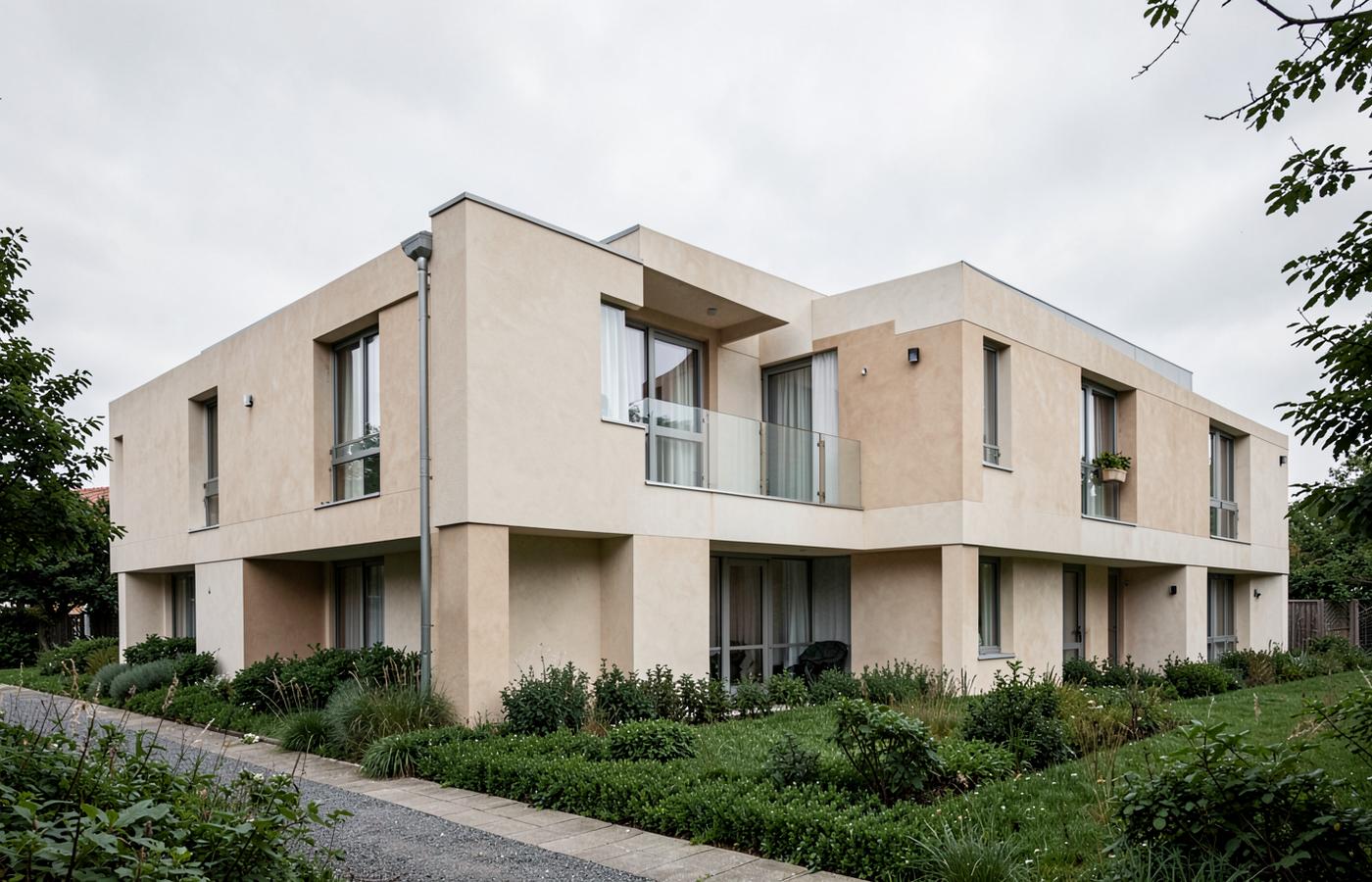
The fastest route to a real building is not a fully structural hempcrete house. It is a printed envelope working alongside a load-bearing system that already has code approval — timber, steel, reinforced concrete or a printed structural shell.
That split is deliberate: it keeps the load path with proven systems and lets the printed hemp-mineral material do what it is good at.
The printed hemp-based system focuses on:
- Thermal insulation
- Wall enclosure
- Moisture regulation
- Low density
- Acoustic performance
- Geometry
- Carbon storage
Envelope first means a shorter path through testing and certification, and a first product that a developer can actually specify.
Preferred system concept
Structural frame or engineered load-bearing system
+
Printed hemp-mineral envelope
+
Finish / weather protection
Product roadmap
Four products, one material platform.
Product names are used here as branding visualization for a concept-stage development pipeline, not as registered trademarks or available products.
PrintBinder™
PrintMix™
PrintWall™
PrintSystem™
Business model
Sell the material intelligence — not necessarily the printer.
Robotic construction printers already exist and are improving fast. Building a competing machine would spend capital on the part of the stack that is already solved. What no printer manufacturer has is a qualified low-carbon bio-mineral material and the process knowledge to run it — so that is the layer we intend to own.
Revenue opportunities
- Binder sales
- Premixed material sales
- Material qualification
- Technical support
- Licensing
- Printer-material partnerships
- Wall-system licensing
- Strategic development agreements
- Pilot projects
System IP
Printer parameters, wall designs, licensing and technical support.
Proprietary formulation
Hemp-based PrintMix.
Specialty material
Printable low-carbon binder.
High-volume materials
Processed SCM / fly ash.
Value concentrates toward the top
Who we partner with
A material platform is built with an ecosystem.
Hemp processors
Reliable supply of graded hemp shiv.
Fly ash / SCM suppliers
Consistent lower-carbon mineral feedstocks.
Cement and mineral processing
Binder processing and technical expertise.
Construction 3D printing companies
Existing robotics and extrusion platforms.
Universities and laboratories
Material characterization and testing.
Architects and developers
Demonstration projects.
Certification bodies
Testing and regulatory pathway.
Builders
Commercial deployment.
Interested in a pilot? Let's build one.
Discuss a PilotDevelopment roadmap
From formulation to commercial pilot.
A staged programme, with each phase gated by test results rather than announcements.
- Phase 01
Formulation
Develop and screen multiple hemp/mineral binder formulations.
- Rheology
- Extrusion
- Setting
- Density
- Thermal performance
- Phase 02
Print validation
Produce repeated printed wall specimens.
- Nozzle consistency
- Layer stability
- Interlayer adhesion
- Dimensional accuracy
- Phase 03
Performance testing
Characterize the hardened material and wall assembly.
- Compressive performance
- Fire behavior
- Thermal conductivity
- Moisture behavior
- Durability
- Acoustic properties
- Phase 04
Demonstration structure
Print a small prototype building or full-scale wall system.
- Phase 05
Certification
Develop a pathway toward applicable building and material standards.
- Phase 06
Commercial pilot
Partner with a printer manufacturer, developer and contractor to construct pilot homes.
Initial R&D target
First milestone: the 1 m × 1 m wall
Before trying to print an entire home, CircularBuild's first technical milestone is a repeatable full-scale wall specimen. Disciplined product development means proving the small thing properly before scaling it.
- 01Continuous extrusion
- 02Stable multi-layer printing
- 03Dimensional accuracy
- 04Acceptable curing
- 05Insulation performance
- 06Moisture performance
- 07Mechanical stability
Market position
Materials technology for automated low-carbon construction.
CircularBuild is not a traditional cement company and not primarily a printer manufacturer. It sits where bio-based, lower-carbon materials meet digital manufacturing — a quadrant that is still largely unoccupied.
Traditional → Digital manufacturing
High-carbon → Bio-based
Why now
Four trends are converging.
Decarbonization
Construction automation
Bio-based construction
Circular materials
Defensibility
The moat is the validated material system.
No single ingredient is defensible — hemp, lime and fly ash are commodities. What is hard to copy is the calibration between them: formulation, raw-material specifications, extrusion hardware, print settings, curing and wall architecture, plus the test data proving the combination holds. Five pillars, valuable only together.
- 01Binder chemistry
- 02Hemp particle specification
- 03Rheology and additive package
- 04Printer process parameters
- 05Wall geometry and curing protocol
Process
From material streams to finished buildings.
Two feedstocks, one formulation platform, and a digital fabrication route to a wall system — each step validated before the next.
- Formulation
- Robotic extrusion
- Wall system
- Building
Vision
Build a circular materials company — not another cement company.
CircularBuild aims to transform industrial mineral by-products and renewable biomass into materials engineered for digitally manufactured buildings.
Industrial by-products
+
Hemp
+
Material science
+
Robotic construction
↓
Lower-carbon building systems
Waste → Binder → Print → Buildings
Concept-stage. Every performance and environmental claim on this site remains subject to research, testing, lifecycle assessment and applicable certification.
Contact
Partner With CircularBuild
We are looking for material suppliers, printer manufacturers, research partners, developers and architects to move from formulation toward full-scale printed wall systems.